Improving Home Accessibility with Summer Renovations

Summer is an ideal time for homeowners to enhance their living spaces, and one key area to focus on is accessibility. Whether you or a loved one have mobility challenges, improving accessibility can make your home safer and more accommodating. Consider our home accessibility solutions to create a welcoming environment.
Understanding Home Accessibility Needs
Every home can benefit from improved accessibility, particularly for individuals with mobility issues. Understanding the specific needs of your household is the first step in enhancing accessibility. It’s not just about installing ramps; it’s about creating an environment that allows everyone to navigate freely and safely.
Common accessibility needs include wider doorways, accessible bathrooms, and slip-resistant flooring. Each of these modifications can significantly improve safety and comfort for everyone in the home. Identifying which areas of your home require attention is essential to prioritize renovations effectively.
In addition to physical changes, consider how technology can support accessibility. Smart home devices can assist with everyday tasks, making it easier for those with mobility challenges to stay independent. This includes automated lighting, voice-activated assistants, and smart locks that can enhance convenience. Evaluating these options can lead to a more functional living space.
As you assess your home, think about the potential barriers that may exist. For example, uneven surfaces or narrow hallways can hinder movement. Addressing these issues early on can save time and money in the long run, as well as provide a more seamless transition to a fully accessible home.
Engaging family members in this assessment can also shed light on specific needs. Discussing their experiences can help you identify areas that might not be immediately apparent. This collaborative approach ensures that the renovations meet the needs of all household members.
Planning Your Renovation Project
Before beginning any renovation, careful planning is crucial. Assess the current layout of your home and determine which modifications will have the most significant impact on accessibility. Consulting with a professional can provide insights into necessary changes and ensure that the project runs smoothly.
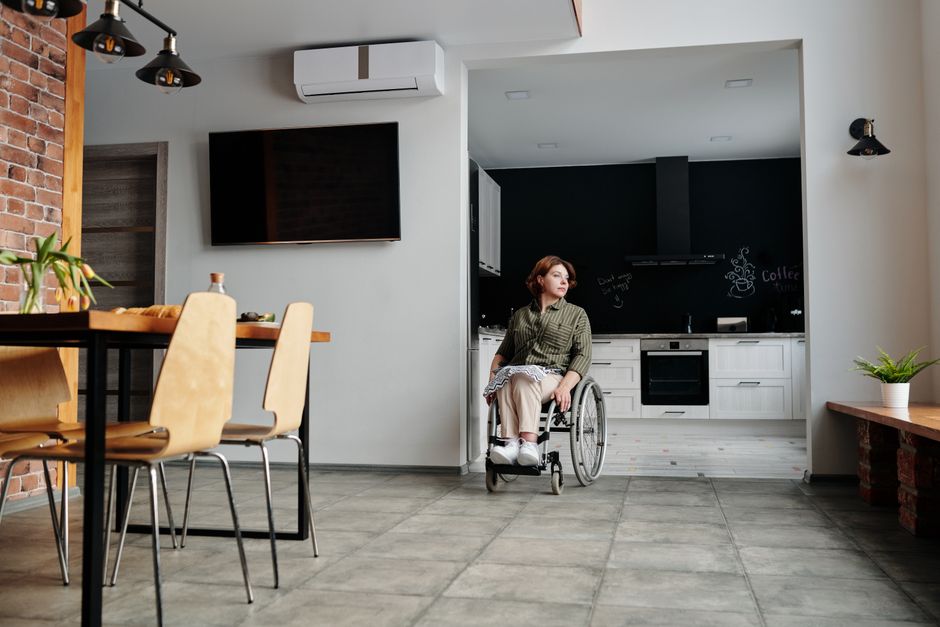
Creating a budget is also an essential part of the planning process. Understand the costs associated with various renovations, such as installing grab bars, widening doorways, or remodeling bathrooms. Our home renovation services can help you stay within budget while achieving your goals. Be sure to account for both materials and labor when estimating your expenses.
Additionally, consider timelines for your project. Planning for disruptions during renovations can help minimize stress, particularly if you are living in the home during the process. Clear communication with your contractor will help ensure that everyone is aligned on expectations and deadlines. Establishing milestones can also help keep the project on track.
Permits may be necessary for certain renovations, especially those involving structural changes. Research local building codes and regulations to ensure compliance. This step can prevent costly delays and ensure that your renovations meet safety standards.
Making Your Bathroom Accessible
Bathrooms can pose unique challenges for accessibility, making them a priority for renovations. Simple changes, such as installing grab bars, can greatly enhance safety. Slippery surfaces can be replaced with textured tiles or vinyl flooring to reduce the risk of falls.
Another consideration is the installation of a walk-in shower or a shower bench. These features can make bathing safer and more comfortable for individuals with limited mobility. Furthermore, adjusting the height of sinks and toilets can improve usability, making daily routines simpler. These modifications can significantly enhance the independence of those with mobility challenges.
Don’t forget about lighting. Proper lighting not only enhances the aesthetic of your bathroom but also increases safety. Consider adding motion-sensor lights or brighter bulbs to ensure visibility in all areas of the space. Installing adjustable lighting can also help accommodate different needs and preferences.
Finally, think about storage solutions. Lowering shelves and cabinets can make it easier for individuals to access personal items. This small change can lead to a more user-friendly bathroom environment, promoting independence and comfort.
“Enhancing accessibility is not just about making changes; it’s about creating a better quality of life for everyone in the home.”
Enhancing Accessibility in the Kitchen
The kitchen is another critical area where accessibility can be improved. Evaluate the layout to ensure that everything is within easy reach. Lowering countertops can make meal preparation more manageable for those who may struggle with mobility. This adjustment can also promote inclusivity during family cooking activities.

Consider installing pull-out shelves and drawers, which can help minimize bending and reaching for items stored in cabinets. These small changes can make a big difference in daily routines, allowing everyone to participate in meal preparation and family activities. Accessible storage solutions can significantly enhance the kitchen’s functionality.
Appliances should also be evaluated for accessibility. Front-loading washers and dryers, for example, are easier to use for individuals with mobility challenges. Choosing appliances that cater to accessibility can enhance usability and efficiency in the kitchen. Look for features like touch controls and easy-to-read displays.
Additionally, consider the placement of frequently used items. Keeping essential tools and ingredients within arm’s reach can streamline cooking processes. This can reduce frustration and make the kitchen a more enjoyable space for everyone.
Benefits of Home Accessibility Renovations
Investing in accessibility renovations offers multiple benefits for homeowners. Not only does it increase safety, but it also enhances the overall quality of life for residents. Accessible homes can reduce the risk of accidents, help maintain independence, and improve comfort. These renovations create a supportive environment for all family members.
Moreover, these renovations can increase the value of your property. Homes that cater to a broader range of needs attract more potential buyers, making them a smart investment in the long run. If you’re thinking about making your home more accessible, our renovation services can help you achieve your vision. A well-planned renovation can also provide peace of mind for homeowners concerned about future mobility issues.
Accessibility renovations can also lead to greater energy efficiency. For instance, improving insulation and windows during renovations can lower energy costs while enhancing comfort. This dual benefit makes renovations not only practical but also financially savvy.
Finally, creating an accessible home can encourage family gatherings and social interactions. A space that accommodates everyone fosters a sense of community and belonging, making it easier to host friends and family.
Frequently Asked Questions
What are some common accessibility modifications for homes?
Common modifications include installing ramps, widening doorways, adding grab bars in bathrooms, and using non-slip flooring. Each change can help create a safer and more accessible environment. These modifications can be tailored to fit the specific needs of your household.
How can I assess my home for accessibility needs?
Start by evaluating each room for potential hazards and challenges. Consider the mobility levels of everyone in your household and identify areas that may require modifications. A thorough assessment will help prioritize renovations and ensure everyone feels comfortable in their home.
Are there financial assistance programs for accessibility renovations?
Yes, various programs and grants are available to assist with funding accessibility renovations. Research local and federal resources that can provide financial aid for your project. Many organizations offer support specifically for modifications that enhance home accessibility.
How long does an accessibility renovation take?
The timeline for renovations can vary depending on the extent of the modifications. Smaller projects may take a few days, while larger renovations could take weeks. Planning and clear communication with your contractor can help set realistic timelines and expectations.
Why should I hire a professional for accessibility renovations?
Professionals bring expertise and experience to ensure that renovations are done correctly and safely. They can provide valuable insights, help with planning, and manage the project efficiently. This expertise can save time and prevent costly mistakes during the renovation process.
If you’re ready to enhance your home’s accessibility, contact us today for a consultation. We are here to help you create a safe and comfortable living space for everyone in your home.