Cost-Effective Strategies for Commercial Construction Projects

Planning a commercial construction project can be daunting, especially when you want to keep costs manageable. This July, we’ll explore effective strategies that can help streamline your project while ensuring high-quality results. By focusing on smart planning and efficient execution, you can make your project both successful and cost-effective.
Understanding Your Project Scope
Defining the scope of your project is crucial for controlling costs. A clear scope helps you identify what needs to be done, allowing for better planning and budgeting. This includes understanding the timelines, materials, and labor required for the job.
Start by outlining the main goals of your project. What do you want to achieve? Whether it’s renovating an office space or building a new retail location, having a clear vision will guide your planning process. Engage with your team early on to gather insights and set realistic expectations.
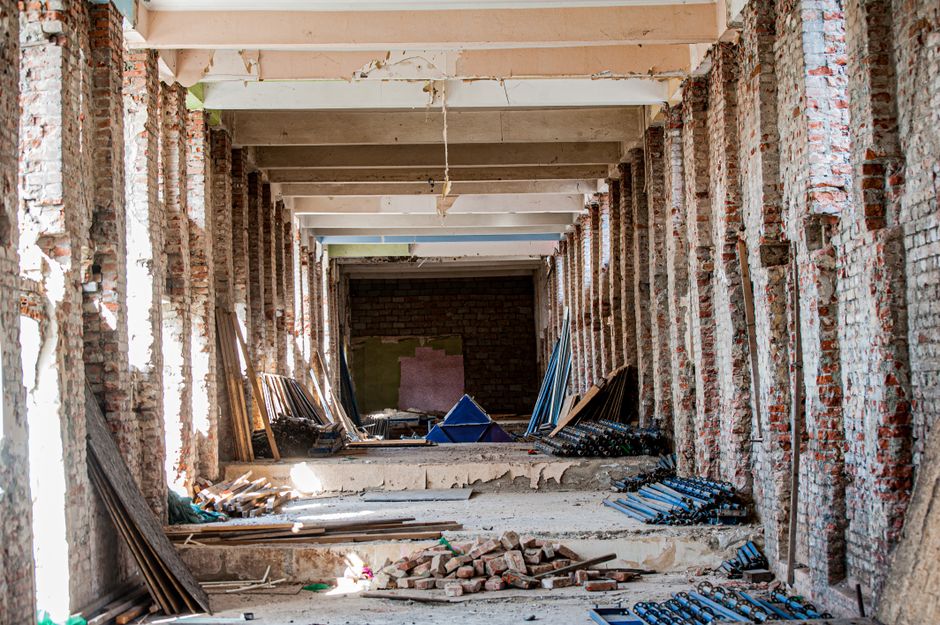
Additionally, consider any potential challenges that may arise. For example, if you’re working with an older building, you may encounter structural issues that require attention. Identifying these factors early can save you time and money during the process. This proactive approach can help you avoid delays and unexpected costs down the line.
Lastly, don’t forget to factor in permits and regulations. Understanding local codes can save you from costly delays and ensure your project runs smoothly. Researching the necessary permits ahead of time can streamline the approval process and keep your project on schedule.
Choosing the Right Contractors
Your choice of contractors can significantly impact your project’s success. Building a team that understands your vision and budget is essential. Look for contractors who have experience in commercial construction and a proven track record.

Communicate openly with your contractors about your goals and budget. A good contractor will help you navigate challenges and offer alternatives that can save you money without compromising quality. For instance, they may suggest more cost-effective materials that still meet your design standards, which can be a great way to reduce expenses.
Another approach is to consider working with a construction management team. They can oversee the entire project, coordinating trades and ensuring timelines are met. This level of organization can help prevent miscommunication and reduce unplanned expenses, ultimately leading to a smoother project experience.
When selecting contractors, don’t hesitate to ask for references and examples of past work. This can give you insight into their capabilities and help you make an informed decision. A well-chosen team can be the difference between a successful project and a costly one.
Smart Budgeting Techniques
Effective budgeting is vital in commercial construction. Start by establishing a detailed budget that includes all aspects of your project, from materials and labor to permits and inspections. This level of detail helps you track your spending and make adjustments as necessary.
Consider setting aside a contingency fund for unexpected expenses. It’s common for projects to encounter unforeseen costs, so having a financial cushion can help you maintain your budget without stress. Typically, a contingency of about 10-15% of the total budget is advisable.
Regularly review your budget throughout the project. Frequent assessments allow you to identify any discrepancies early on, helping you make informed decisions. If you’re nearing your budget limit, discuss options with your contractors to find ways to cut costs without sacrificing quality. Being proactive in this area can save you from last-minute financial strain.
In addition, consider utilizing value engineering, which involves analyzing the project to identify opportunities to reduce costs while maintaining functionality. This process can lead to significant savings and enhance the overall value of your project.
Utilizing Technology in Construction
Technology can play a significant role in making your commercial construction project more efficient and cost-effective. From project management software to Building Information Modeling (BIM), leveraging these tools can streamline processes and enhance communication among your team.
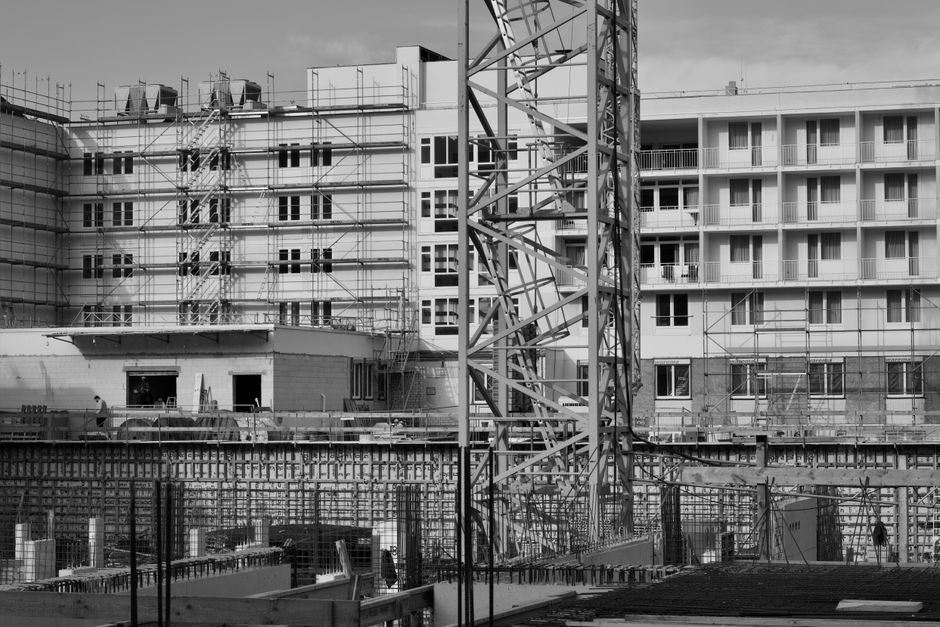
For example, project management software can help you track timelines, budgets, and tasks in real-time. This transparency allows for better collaboration and can lead to quicker problem resolution. Additionally, using BIM can help visualize the project before construction begins, minimizing costly changes during the build phase. The ability to spot potential issues early can save both time and money.
Investing in technology not only improves efficiency but can also help you save money in the long run. By reducing errors and enhancing communication, you can keep your project on track and within budget. Furthermore, technology can facilitate remote collaboration, which is increasingly important in today’s work environment.
Consider training your team on these technologies to maximize their effectiveness. A well-equipped team can make informed decisions and respond quickly to challenges, ultimately benefiting the overall project outcome.
Effective planning and execution can lead to significant cost savings in commercial construction projects.
Keeping Communication Open
Maintaining open lines of communication is essential for the success of your commercial construction project. Regular updates and discussions with your team help everyone stay aligned and aware of any issues that may arise.
Schedule frequent meetings to discuss progress and challenges. This proactive approach allows you to address concerns before they become major problems. Consider using collaborative tools that enable team members to share updates and documents easily, enhancing overall communication.
Encouraging feedback from your contractors and team members can also provide valuable insight. They may have suggestions that could enhance the project or identify potential cost-saving measures. The more involved your team is, the more likely you are to achieve your project goals. Establishing a culture of open communication can lead to better collaboration and a more successful project.
Lastly, documenting all communications can help prevent misunderstandings and serve as a reference point throughout the project. Clear records can be invaluable if disputes arise or if decisions need to be revisited.
Frequently Asked Questions
What are the key steps in planning a commercial construction project?
Begin by defining your project scope, setting a budget, and choosing the right contractors. It’s also essential to understand local regulations and secure necessary permits before starting the project. Engaging stakeholders early can help streamline the process.
How can I control costs during a construction project?
Effective budgeting, regular reviews of expenses, and setting aside a contingency fund can help control costs. Additionally, open communication with your contractors can lead to cost-saving suggestions and adjustments. Being proactive in addressing potential issues can prevent budget overruns.
What role does technology play in construction management?
Technology enhances efficiency through project management tools, real-time tracking, and visualization software like BIM. These tools improve communication and reduce errors, ultimately saving time and money. Implementing the right technology can significantly streamline your project workflow.
How important is communication in construction projects?
Open communication is vital for ensuring everyone is aligned and aware of project developments. Regular updates and feedback can help identify issues early and facilitate effective problem-solving. Establishing clear communication channels can enhance team collaboration and project success.
For further assistance in navigating your commercial construction project, don’t hesitate to reach out for a consultation or quote. We are here to help you achieve your goals while keeping costs in check.