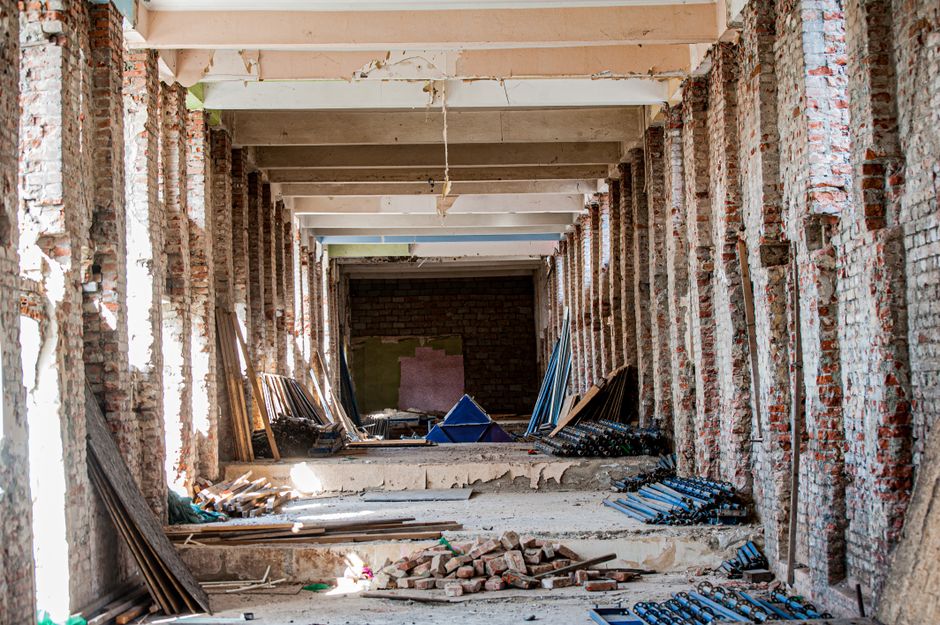
Effective Coordination in Cleveland Heights Commercial Projects

Managing a commercial construction project in Cleveland Heights can be a challenge. Effective coordination is essential to ensure that projects stay on schedule and within budget. In this article, we will explore key strategies to enhance coordination in your commercial construction endeavors.
Understanding Project Coordination
Project coordination involves managing various tasks, resources, and stakeholders to ensure that everything runs smoothly. In commercial construction, this is particularly important due to the complexity of the projects and the number of parties involved. Proper coordination helps prevent delays and keeps costs in check.
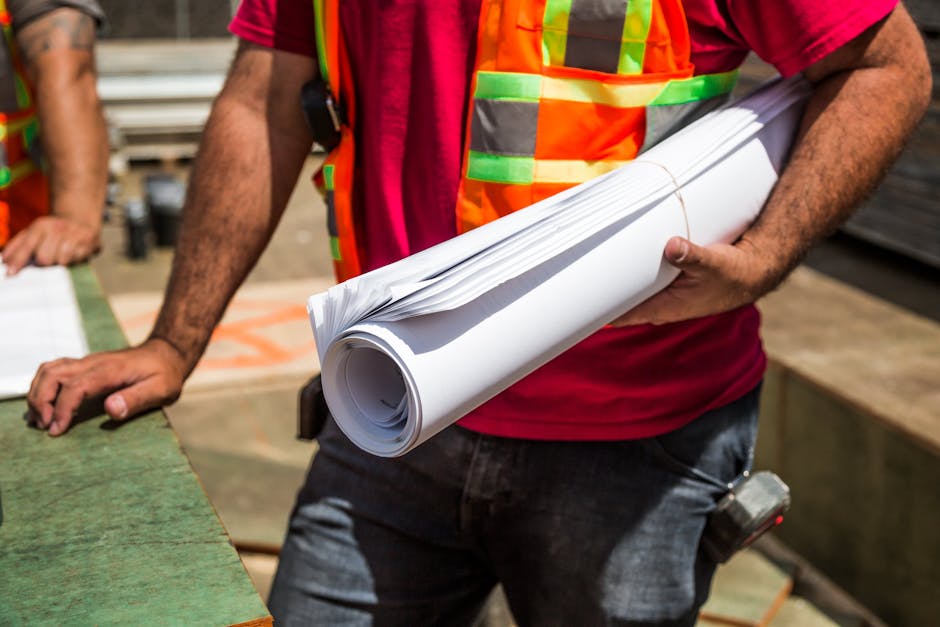
One of the first steps in achieving effective coordination is establishing clear communication channels among all team members. Regular meetings and updates ensure everyone is on the same page regarding project timelines, responsibilities, and expectations. This proactive approach can significantly reduce misunderstandings and errors.
Additionally, utilizing project management tools can streamline communication and task management. These tools allow teams to share documents, track progress, and manage schedules in real-time. By keeping everyone informed, you can address potential issues before they escalate.
Another vital aspect of coordination is understanding the roles of different trades and subcontractors involved in the project. Each team member must know their responsibilities and how they fit within the overall project timeline. This clarity helps avoid overlaps and ensures that each phase of construction flows into the next without unnecessary delays.
Moreover, it is essential to document all agreements and decisions made during the project. This documentation serves as a reference point and can help resolve disputes or misunderstandings that may arise later. By keeping comprehensive records, you can ensure accountability and transparency throughout the project.
Importance of Planning and Scheduling
Effective planning and scheduling are foundational elements of successful project coordination. A well-crafted project schedule outlines all key milestones and deadlines, helping teams stay on track. Furthermore, it allows for better resource allocation and workload management.

When developing your project schedule, consider incorporating buffer times for unexpected delays. Construction projects can be unpredictable, and having extra time built into your plan can help mitigate the impact of unforeseen circumstances. This flexibility is crucial for maintaining overall project momentum.
Moreover, regular reviews and updates to the project schedule are essential. As the project progresses, circumstances may change, and adjustments may be necessary. By continuously assessing the timeline and making updates, you can ensure that the project remains on track and aligned with your goals.
Working with a reliable contractor who specializes in commercial construction can also enhance planning and scheduling. Their expertise in navigating challenges and managing timelines can lead to a smoother construction process. They will know how to anticipate potential issues and adjust plans accordingly.
Finally, ensure that all stakeholders are aware of the project schedule and their responsibilities within it. This transparency fosters accountability and encourages everyone to stay committed to meeting deadlines.
Effective Communication with Stakeholders
In commercial construction, there are often numerous stakeholders, including property owners, investors, and local authorities. Keeping these parties informed and engaged is vital for project success. Effective communication fosters trust and collaboration, which can lead to more favorable outcomes.

Regular updates and open lines of communication with stakeholders can help address concerns and gather feedback throughout the project. This not only ensures that everyone is aligned but also allows for quick adjustments if needed. For instance, if a stakeholder raises concerns about design changes, addressing these promptly can help maintain project harmony.
Additionally, involving stakeholders in key decisions can lead to better project outcomes. When stakeholders feel their input is valued, they are more likely to support the project and contribute positively to its success. Engaging them in discussions about budget allocations or design choices can foster a sense of ownership and responsibility.
Using visual aids such as project timelines, progress charts, and budget reports can make communication more effective. These tools help convey complex information in an easily digestible format, ensuring that everyone understands the current status of the project. Visual presentations can be particularly useful in stakeholder meetings, making discussions clearer and more productive.
Finally, consider establishing a designated point of contact for stakeholders. This person can manage communications, ensuring that inquiries are addressed promptly and that stakeholders feel supported throughout the project.
Effective coordination in commercial construction projects leads to improved efficiency, reduced costs, and enhanced overall satisfaction for all parties involved.
Choosing the Right Contractor
Selecting a contractor with a proven track record in commercial construction can significantly impact project coordination. An experienced contractor will have established processes for managing communication, scheduling, and quality control.

When evaluating potential contractors, consider their past projects and client reviews. A contractor with a history of successfully executed projects in Cleveland Heights will likely understand the unique challenges that come with local regulations and building codes. They will be familiar with the necessary permits and can help navigate the approval processes efficiently.
Furthermore, a contractor who prioritizes transparency and collaboration can enhance your project’s coordination. Look for a team that values your input and keeps you informed throughout the process. A good contractor will encourage open discussions and provide regular updates on project progress.
In addition, ensure that the contractor has access to the right resources and technologies that facilitate project management. This capability can streamline processes and improve overall efficiency. Tools that allow for real-time tracking and reporting can greatly enhance communication and coordination among all involved parties.
Finally, assess the contractor’s ability to manage subcontractors effectively. A well-coordinated team of subcontractors is essential for maintaining the project’s timeline and quality standards. Choose a contractor who has established relationships with reliable subcontractors to ensure smooth collaboration.
Conclusion and Next Steps
Maximizing coordination in commercial construction projects is essential for achieving successful outcomes in Cleveland Heights. By focusing on effective communication, thorough planning, and selecting the right contractor, you can navigate the complexities of your project with confidence.
If you are planning a commercial construction project and want to ensure optimal coordination, consider reaching out to Bishop Construction. Our team specializes in commercial construction and is dedicated to providing you with the support you need for a smooth project experience.
Frequently Asked Questions
What are the key benefits of effective project coordination?
Effective project coordination leads to improved efficiency, reduced costs, and timely completion of construction projects. It minimizes misunderstandings and ensures that all stakeholders are aligned with the project goals. This alignment is crucial for maintaining project momentum and satisfaction among all parties involved.
How can I improve communication with my construction team?
Improving communication involves setting clear expectations, utilizing project management tools, and having regular check-ins. Keeping everyone informed ensures that issues are addressed promptly. Additionally, fostering an open environment where team members feel comfortable voicing concerns can lead to better collaboration.
Why is selecting the right contractor important for project coordination?
A contractor with experience in commercial construction understands the intricacies of managing projects. They can effectively coordinate various trades, timelines, and resources, leading to a smoother construction process. Their expertise can also help avoid common pitfalls that might derail a project.
What should I include in my project plan?
Your project plan should include a detailed timeline, budget, roles and responsibilities, and communication strategies. This comprehensive approach helps keep the project on track and aligned with your goals. Additionally, consider including risk management strategies to address potential challenges proactively.
How can I ensure my project stays on budget?
To stay within budget, it’s essential to have a detailed budget plan, monitor expenses closely, and incorporate buffer funds for unexpected costs. Regular reviews of the budget can help identify potential issues early. Engaging with your contractor about budgetary concerns can also provide insights into cost-saving measures.
If you’re ready to start your commercial construction project or need guidance on effective coordination, contact us for a consultation today.