Understanding Commercial Construction Permits in Beachwood

Navigating the process of commercial construction permits can feel overwhelming, especially for property managers and business owners. Understanding the requirements and steps involved is crucial for a successful project. In Beachwood, Ohio, having the right permits not only ensures compliance but also streamlines your construction process.
What Are Commercial Construction Permits?
Commercial construction permits are official approvals required to begin construction or renovation projects on commercial properties. These permits ensure that the work complies with local building codes, zoning laws, and safety regulations. In Beachwood, obtaining the necessary permits can prevent costly delays and legal issues down the line.

When you apply for a commercial construction permit, you typically need to submit detailed plans for your project. These plans outline the scope of work, materials to be used, and how the project will comply with local regulations. It’s often beneficial to work with experienced professionals who can help ensure your application is complete and accurate.
Failing to obtain the required permits can result in fines, work stoppages, and even the need to demolish unpermitted structures. Therefore, understanding the types of permits needed is essential for any commercial project.
In Beachwood, common permits include building permits, electrical permits, plumbing permits, and occupancy permits. Each type of permit has its own requirements and processes, so it’s important to know which ones apply to your project. For example, building permits are necessary for any structural changes, while electrical and plumbing permits ensure that installations meet safety standards.
The Permit Application Process
The permit application process in Beachwood involves several steps, and being well-prepared can save you time and frustration. First, you will need to gather all necessary documentation, including architectural plans and engineering reports. Next, submit your application to the local building department.
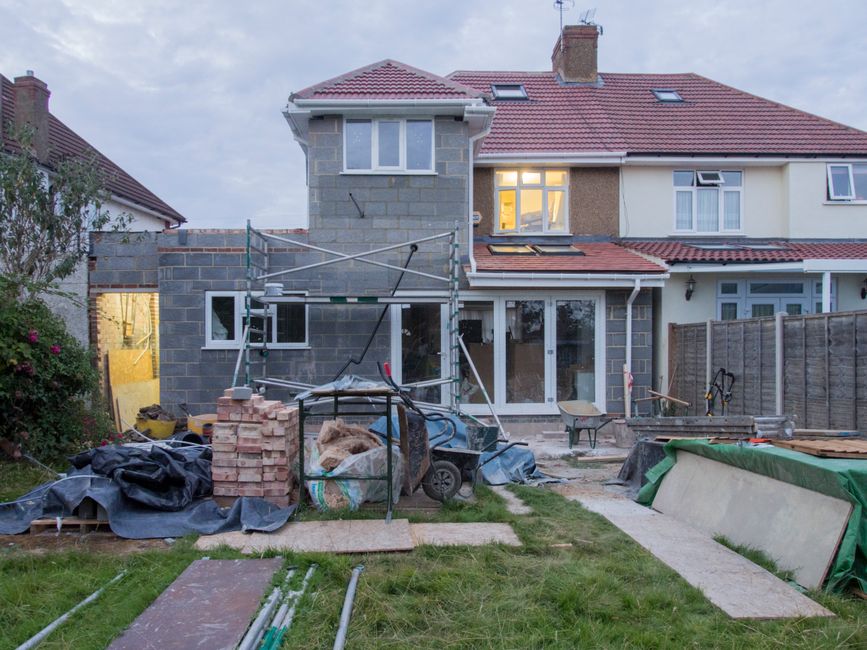
After submitting your application, it will be reviewed by local officials. They will check for compliance with zoning laws, building codes, and safety regulations. If everything is in order, you will receive your permit. However, if there are issues, you may need to revise your plans and resubmit.
It’s advisable to factor in additional time for this review process, as it can take several weeks depending on the complexity of your project. Working with a contractor who understands the local permitting process can help expedite this phase and reduce the chances of any setbacks.
Once your permit is approved, you can begin construction. However, keep in mind that inspections will be required at various stages of the project to ensure compliance with safety codes. These inspections are crucial for final approval and occupancy. Missing an inspection can lead to delays, so staying on top of these requirements is essential.
Common Challenges in Securing Permits
Securing commercial construction permits can come with its own set of challenges. One common issue is incomplete or inaccurate applications. If your plans lack detail or do not meet local regulations, your application may be delayed or denied. Working with professionals who specialize in commercial construction in Beachwood can help mitigate these risks.
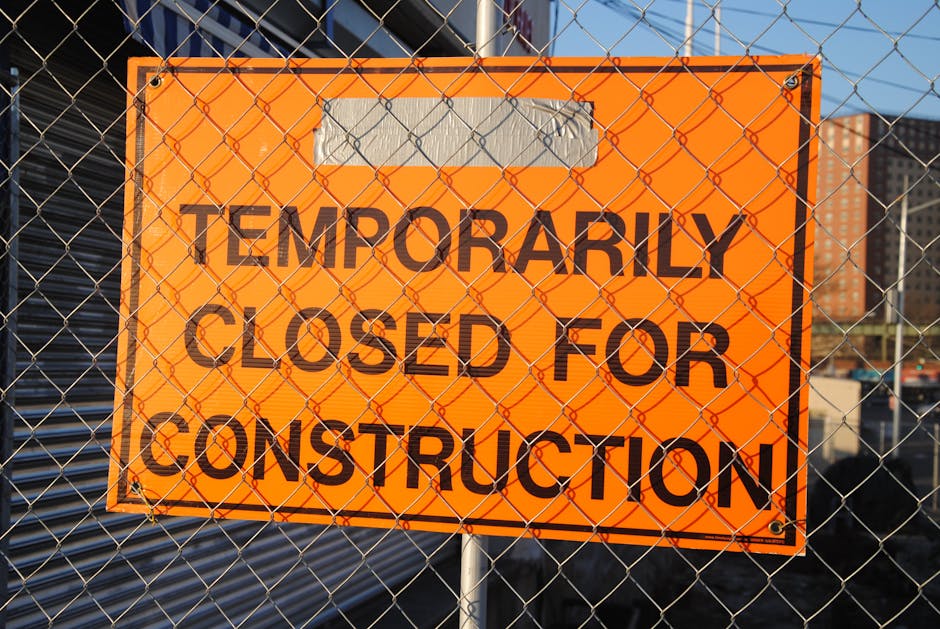
Another challenge is understanding the local zoning laws. Beachwood may have specific regulations that dictate what types of buildings can be constructed in certain areas. Familiarizing yourself with these laws before starting your project can save you significant time and resources. For example, if your project is in a residential zone, there may be restrictions on the height and type of commercial building allowed.
Additionally, the timeline for obtaining permits can vary greatly depending on the nature of the project and the current workload of the local building department. Patience and thorough preparation are key to navigating this process successfully. By anticipating potential hurdles, you can plan your project timeline more effectively.
Lastly, keep in mind that changes to your project after the initial application may require additional permits. If you find that your needs have changed during the planning phase, consult with your contractor to understand the implications for your permits.
Why Partner with a Local Contractor?
Working with a local contractor like Bishop Construction can simplify the permit process. Our experience with local regulations and relationships with building officials can facilitate smoother approvals. We specialize in commercial construction in Beachwood, ensuring that your project adheres to all necessary guidelines.

By choosing a contractor familiar with the area, you can better anticipate potential challenges and avoid common pitfalls. This partnership not only helps streamline the permitting process but can also enhance the overall quality and efficiency of your construction project. Local contractors often have insights into best practices and common issues that can arise during the permitting process.
Our goal is to provide cost-conscious commercial construction solutions that save you money while delivering outstanding results. With our knowledge of commercial restoration and renovation services, we can help transform your property into a modern space that enhances its value. This expertise can be invaluable in ensuring your project meets both aesthetic and functional needs.
Furthermore, a local contractor will be more accessible for ongoing communication and site visits, which can be critical for the success of your project. This proximity allows for quicker adjustments and responses to any emerging issues.
Frequently Asked Questions
What types of permits do I need for commercial construction?
The types of permits needed can vary based on your specific project, but typical permits include building permits, electrical permits, plumbing permits, and occupancy permits. It’s important to check with local authorities for specific requirements. Each project may have unique needs, so consulting with a contractor can clarify what is necessary.
How long does it take to get a commercial construction permit?
The timeline for obtaining a commercial construction permit can vary widely depending on the complexity of the project and the local building department’s workload. It can take several weeks, so plan accordingly. Being proactive in your application and ensuring all documentation is complete can help speed up the process.
What should I do if my permit application is denied?
If your permit application is denied, review the reasons for denial carefully. You may need to revise your plans or provide additional documentation before resubmitting. Consulting with an experienced contractor can also provide valuable insights into how to address the concerns raised by the review board.
Can I start construction without a permit?
No, starting construction without the necessary permits can lead to fines, work stoppages, and even the requirement to demolish any unpermitted structures. Always ensure you have the required permits before beginning any project. This precaution protects your investment and ensures compliance with local laws.
Why should I hire a contractor for my commercial project?
Hiring a contractor can simplify the construction process, especially when it comes to navigating permits and regulations. Contractors have the experience and expertise needed to manage your project efficiently and ensure compliance with local laws. With their knowledge, they can help you avoid common pitfalls and streamline the process, ultimately saving you time and money.
For expert guidance on your commercial construction project in Beachwood, reach out to us for a consultation. We are here to simplify your construction journey and help you achieve your goals efficiently.